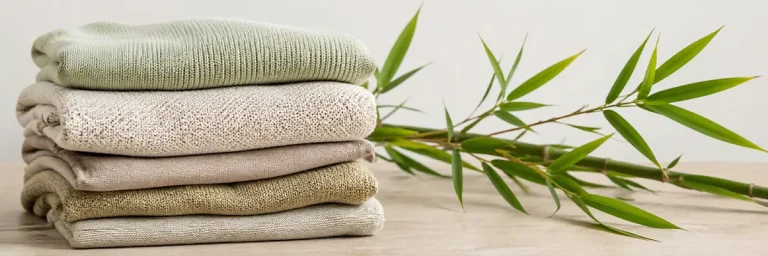
Silk is a natural and delicate material with a smooth surface and characteristic soft sheen. Silk garments feel pleasant against the skin and can retain their beautiful appearance for a long time when cared for properly. However, silk fibres are sensitive to high temperatures, harsh detergents, excessive friction, and improper drying. The good news: caring for silk products is simple if you follow a few basic rules.
How to wash silk products correctly?
Silk products should be washed gently, preferably by hand. Before washing, always check the care label, as some silk items may require professional dry cleaning only.
For hand washing:
- Fill a basin with cool or slightly warm water.
- Add a small amount of liquid detergent for silk or delicate fabrics.
- Dissolve the detergent completely in the water.
- Place the item in the water and gently press it with your hands.
- Do not rub, stretch, or twist the fabric.
- Rinse carefully in clean water at approximately the same temperature.
Important: do not leave silk products soaking for a long time. Prolonged contact with water may affect the fibre structure, shape, and appearance of the fabric.
What water temperature should be used?
Silk products should be washed in water no warmer than 30°C.
Water that is too hot may:
- cause shrinkage,
- affect the colour of the fabric,
- reduce its natural sheen,
- weaken the delicate fibres,
- cause the item to lose its shape.
Cool water is safer for silk, and sudden changes in water temperature during washing and rinsing should be avoided.
Which detergent is suitable for silk?
Silk products should be washed with a mild liquid detergent specifically designed for silk or delicate fabrics.
It is best to avoid:
- harsh washing powders,
- detergents with a whitening effect,
- strong stain removers,
- detergents containing enzymes,
- using too much detergent.
Use only a small amount of detergent and rinse the item thoroughly so that no residue remains on the fabric.
Can silk be bleached?
Silk products should not be bleached. Chlorine-based and other harsh bleaching agents may damage the natural fibres, alter the colour of the fabric, and reduce its natural sheen.
Even for white silk items, use only products that are specifically stated by the manufacturer to be suitable for natural silk.




 Quick View

 Quick View

 Quick View

 Quick View

 Quick View


 Quick View