Wool is a natural material that keeps you warm and breathes well, but it doesn’t tolerate overheating, heavy friction, or improper drying. The good news: caring for wool items is easy if you follow a few simple rules. Below is a detailed guide written in clear, straightforward language.

Main rule: wash less, care more

Wool garments do not require frequent washing. In many cases, it’s enough to:

  • air the item outdoors for 1–2 hours,

  • gently brush the surface (if appropriate for the garment),

  • remove pilling with a fabric shaver (if needed).

Washing is only necessary when there is visible dirt, an odour, or the item has been worn many times in a row.

Before washing: 3 quick steps

  1. Check the care label (it may contain important restrictions).

  2. Turn the garment inside out — this reduces friction on the outer surface.

  3. If there is a zipper or buttons — fasten them to prevent snagging.

How to wash wool correctly

Option A: hand washing (the safest)

  1. Fill with cool water (usually up to 30°C).

  2. Add a wool detergent or a detergent for delicate fabrics.

  3. Submerge the garment and gently press it in the water for 1–3 minutes.

  4. Do not rub or wring.

  5. Rinse in water at the same temperature.

Important: sudden temperature changes (hot/cold) may cause shrinkage.

Option B: machine washing (only if allowed by the care label)

  • Cycle: Wool / Delicate

  • Temperature: up to 30°C

  • Spin: low or no spin

  • Preferably wash in a mesh bag for delicate items

How to remove excess water without losing shape

Wool should never be wrung out — twisting stretches the fibres and causes the garment to lose its shape.

The correct method:

  • gently squeeze with your hands without twisting,

  • lay the garment flat on a towel,

  • roll the towel into a tube and press lightly — the towel will absorb excess moisture.

Drying: flat only

This is the most important stage of wool care.

✅ Correct:

  • lay the garment on a dry towel on a flat surface,

  • reshape it carefully (along seams and edges),

  • dry away from direct sunlight and heaters.

❌ Do not:

  • dry on a radiator, heater, or in a tumble dryer,

  • hang a wet garment on hangers or a line (it will stretch),

  • dry under direct sunlight.

Ironing and steaming

Often, wool looks great after proper drying and doesn’t need ironing.

If refreshing is needed:

  • use a steamer from a distance (without pressing the fibres),

  • or an iron on the lowest setting through a damp cloth and without heavy pressure.

Pilling: why it happens and how to remove it

Pilling is a natural reaction of wool to friction (especially in contact areas: side seams, underarms, bag straps).

How to remove:

  • use a fabric shaver or a special brush,

  • do not pull pills off by hand — this can damage the yarn.

To reduce pilling:

  • avoid constant friction against rough fabrics and bags,

  • wash inside out and in a laundry bag.

How to remove a stain (quickly and safely)

If a stain appears:

  1. Blot with a tissue — do not rub.

  2. Apply a small amount of wool detergent to a damp cloth and gently treat the area.

  3. Rinse with cool water and dry flat.

Do not use harsh stain removers or bleach — they can damage the fibres.

Storage: to prevent stretching and moth damage

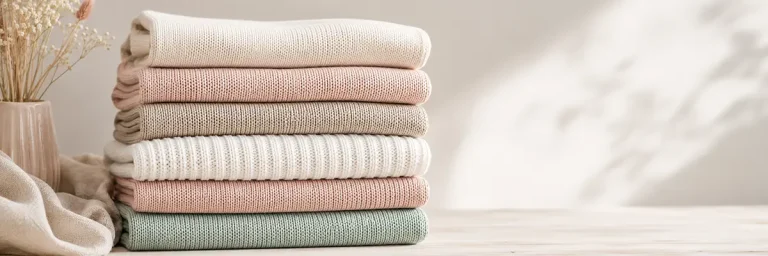
  • Store wool folded, not on hangers (hangers can deform the garment).

  • Before long-term storage, the item must be clean and completely dry.

  • To protect against moths, use cedar or lavender or special repellents.

  • It’s helpful to air out garments and the wardrobe periodically.

Quick checklist

  • Cool water only, gentle detergent.

  • No rubbing or wringing.

  • Dry flat, away from heat.

  • Air instead of over-washing.

  • Remove pills with a fabric shaver.